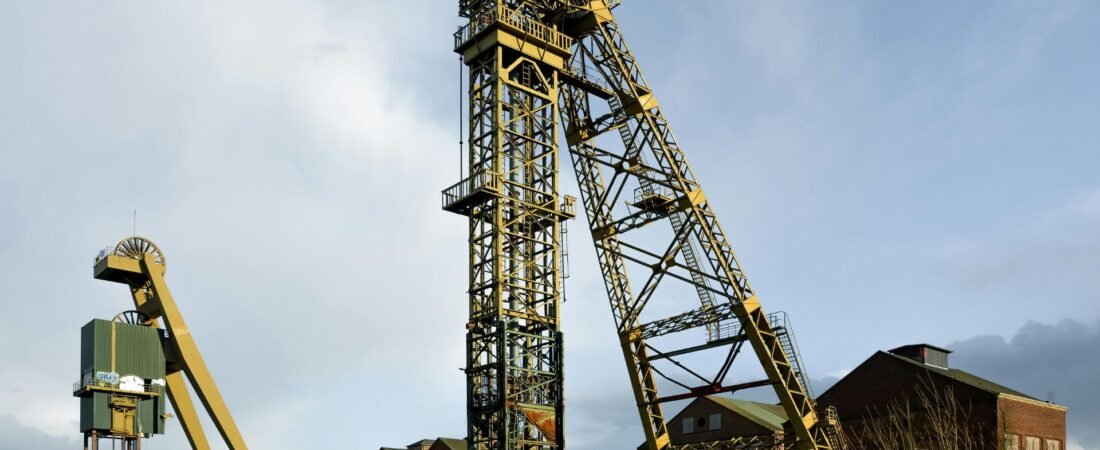
Mining infrastructure operates under constant pressure from heavy industrial activity, harsh weather conditions, dust, vibration, and continuous equipment movement. These demanding environments require professional maintenance services to maintain operational efficiency, workplace safety, and long-term infrastructure reliability. Mining companies depend on structured maintenance programs to reduce downtime, extend asset lifespan, and maintain compliance with Australian industrial standards.
Mining infrastructure includes processing plants, workshops, warehouses, accommodation camps, storage facilities, administration offices, pipelines, and control rooms. Every structure and system within a mining site must remain operational to support production and workforce safety. Industrial infrastructure services in Western Australia provide specialized maintenance solutions designed for large-scale mining operations and remote industrial environments.
Importance of Maintenance Services in Mining Infrastructure
Mining operations often run 24 hours a day, which increases wear on buildings, machinery, and infrastructure systems. Continuous production activity affects structural components, electrical systems, ventilation units, drainage systems, and industrial equipment.
Professional maintenance services help mining companies reduce the risk of unexpected infrastructure failure. Routine inspections and repairs allow maintenance teams to identify damage before it affects production or creates safety hazards.
Maintenance services also support workplace safety standards. Faulty electrical systems, damaged structures, blocked drainage systems, and poor ventilation can create dangerous working conditions. Scheduled maintenance improves operational safety and helps mining operators meet Australian workplace compliance requirements.
Industrial infrastructure services in Western Australia support mining companies with preventive maintenance strategies, industrial inspections, and emergency repair solutions.
Structural Maintenance for Mining Facilities
Structural maintenance is a critical part of mining infrastructure management. Mining buildings and operational structures face constant exposure to environmental stress and industrial activity. Steel frameworks, concrete foundations, roofing systems, elevated platforms, and industrial flooring all require regular servicing and inspections.
Corrosion control is one of the most important structural maintenance activities in mining environments. Exposure to chemicals, moisture, salt, and airborne dust can weaken metal structures over time. Structural maintenance services include welding repairs, concrete restoration, roof maintenance, protective coatings, and steel reinforcement.
Routine structural inspections help identify cracks, rust, water penetration, and material fatigue before major failures occur. Early maintenance helps mining companies reduce repair costs and extend infrastructure lifespan.
Industrial infrastructure services in Western Australia provide structural maintenance programs tailored to mining operations operating in remote and high-demand industrial regions.
Electrical Maintenance Services for Mining Operations
Mining facilities depend on reliable electrical systems to support industrial equipment, communication networks, emergency systems, and processing operations. Electrical maintenance services help maintain stable power distribution and improve operational safety.
Electrical maintenance may include switchboard inspections, cable testing, generator servicing, thermal imaging inspections, lighting maintenance, and backup power system testing. These services help identify faults before they affect production or increase fire risks.
Emergency electrical systems are especially important in mining environments because power interruptions can affect worker safety and operational continuity. Regular inspections improve emergency preparedness and equipment reliability.
Industrial infrastructure services in Western Australia support mining companies with industrial electrical maintenance solutions designed for complex operational environments.
HVAC and Ventilation System Maintenance
Mining facilities often operate in dusty and high-temperature conditions. HVAC and ventilation systems help control indoor air quality, regulate temperature, and improve worker comfort in enclosed operational areas.
Ventilation systems are essential in workshops, processing plants, control rooms, and accommodation camps. Poor ventilation can affect worker health and reduce equipment efficiency. HVAC maintenance services include duct cleaning, airflow testing, filter replacement, refrigerant inspections, and ventilation fan servicing.
Mining accommodation facilities also require efficient climate control systems because many workers live on-site for extended periods. Proper HVAC maintenance improves indoor conditions and supports energy efficiency.
Industrial infrastructure services in Western Australia provide HVAC maintenance solutions for industrial facilities and remote mining camps across Western Australia.
Plumbing and Drainage Maintenance
Reliable plumbing and drainage systems are essential for mining operations. Mining facilities require stable water supply systems, wastewater treatment infrastructure, industrial piping systems, and sanitation facilities to support daily operations.
Plumbing maintenance services include leak detection, pipe inspections, wastewater management, drainage cleaning, and water pressure testing. Regular inspections help identify corrosion, damaged pipes, and blockages before major operational issues occur.
Drainage systems are especially important during heavy rainfall because poor drainage can damage roads, foundations, storage areas, and industrial equipment. Maintenance teams inspect stormwater systems and drainage channels to reduce flooding risks.
Industrial infrastructure services in Western Australia support mining companies with plumbing and drainage maintenance programs for large industrial sites.
Preventive Maintenance Strategies for Mining Infrastructure
Preventive maintenance helps mining companies identify infrastructure problems before equipment failure or structural damage occurs. This maintenance approach focuses on regular inspections, servicing schedules, and condition monitoring.
Preventive maintenance programs may include roof inspections, corrosion monitoring, thermal imaging, HVAC servicing, lubrication schedules, and structural condition assessments. These activities improve operational reliability and reduce long-term maintenance costs.
Many mining facilities use computerized maintenance management systems to monitor asset performance, track repairs, and schedule maintenance activities across multiple operational areas.
Industrial infrastructure services in Western Australia use preventive maintenance programs to support infrastructure reliability and long-term operational stability for mining operations.
Safety and Compliance in Mining Maintenance
Mining companies must comply with strict Australian safety and environmental regulations. Maintenance services help operators maintain safe working conditions and meet compliance standards.
Maintenance teams inspect fire protection systems, emergency exits, handrails, electrical systems, ventilation infrastructure, and operational areas to reduce workplace hazards. These inspections support safe operations and improve workforce protection.
Environmental maintenance is also important in mining infrastructure management. Maintenance providers inspect wastewater systems, fuel storage facilities, drainage systems, and dust control infrastructure to reduce environmental impact.
Remote mining sites often present additional safety challenges because maintenance activities are performed in isolated and high-risk conditions. Professional maintenance teams use specialized equipment, safety procedures, and risk management systems to complete work safely.
Technology Used in Mining Infrastructure Maintenance
Modern technology has improved maintenance efficiency across mining operations. Drones are commonly used for roof inspections, structural assessments, and remote infrastructure monitoring. Thermal imaging systems help identify electrical faults and insulation issues before operational failures occur.
Predictive maintenance technology uses sensors and digital monitoring systems to detect early signs of wear in industrial equipment and infrastructure systems. These technologies help reduce downtime and improve maintenance planning.
Digital asset management systems also help mining operators manage inspection records, maintenance schedules, and infrastructure performance data in real time.
FAQ
Why are professional maintenance services important for mining infrastructure?
Professional maintenance services help mining companies maintain safety, reduce downtime, improve infrastructure lifespan, and support continuous industrial operations.
What infrastructure requires maintenance at mining facilities?
Mining infrastructure includes processing plants, warehouses, workshops, pipelines, accommodation camps, offices, control rooms, and storage facilities. All these areas require regular maintenance and inspections.
What is preventive maintenance in mining operations?
Preventive maintenance involves planned inspections and servicing designed to identify and repair issues before major failures occur. This approach improves operational reliability and reduces repair expenses.
How often should mining infrastructure be inspected?
Inspection frequency depends on operational activity, environmental conditions, and infrastructure type. Many mining facilities conduct monthly, quarterly, and annual inspections for different systems and structures.
How do Industrial infrastructure services in Western Australia support mining operations?
Industrial infrastructure services in Western Australia provide structural repairs, electrical maintenance, HVAC servicing, plumbing support, corrosion control, preventive maintenance, and emergency repair services for mining facilities.
Conclusion
Professional maintenance services are essential for maintaining safe and efficient mining infrastructure. Mining facilities operate in harsh industrial environments where buildings, equipment, and operational systems experience constant stress from heavy industrial activity and environmental exposure.
Comprehensive maintenance programs help mining companies improve safety, reduce downtime, maintain compliance, and extend infrastructure lifespan. Preventive maintenance strategies, digital monitoring systems, and skilled maintenance teams support long-term operational stability across mining sites.
Industrial infrastructure services in Western Australia continue to provide specialized maintenance solutions for mining operations across remote and industrial regions. These services support infrastructure reliability, workforce safety, and productive mining operations throughout Australia.