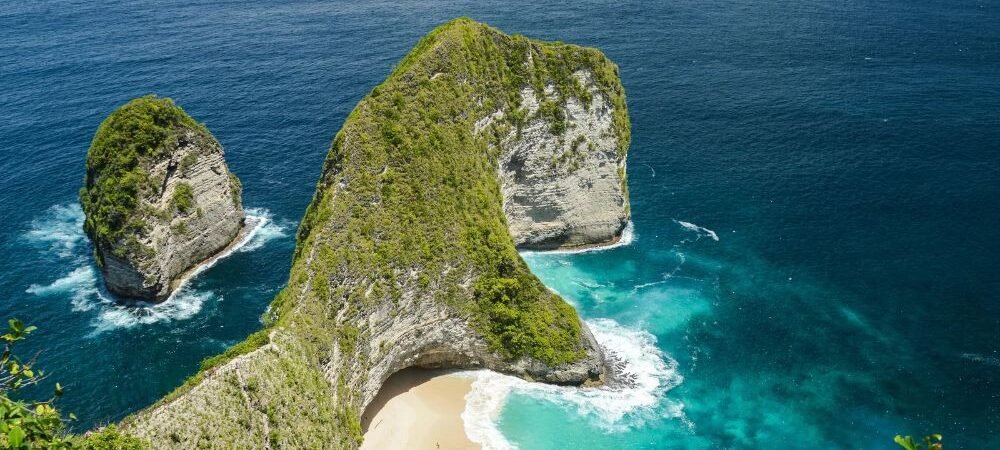
Travel planning starts with choosing a place that matches your interests, available time, budget, and preferred activities. Different destinations offer different experiences, from historic cities and cultural landmarks to beaches, mountains, national parks, and modern urban centers.
Vistolane helps travelers discover destinations and explore useful information before planning a journey. Understanding the location, attractions, climate, transportation, culture, and local activities can make travel planning more organized and practical.
Explore Popular Destinations Around the World
The world offers a wide range of travel locations across Europe, Asia, Africa, North America, South America, and Oceania. Each region has its own geography, history, culture, and attractions.
European destinations such as Paris, Rome, Barcelona, and Amsterdam are known for historic architecture, museums, galleries, and cultural landmarks. Asian destinations such as Tokyo, Bangkok, Bali, and Kyoto combine traditional culture, modern infrastructure, local food, and natural attractions.
North America includes major cities, national parks, coastal areas, and mountain regions. Africa offers destinations with wildlife reserves, deserts, beaches, and cultural heritage. South America is known for diverse landscapes that include mountains, rainforests, historic cities, and coastal areas.
Choose Destinations Based on Your Travel Goals
The right destination depends on the purpose of your journey. Travelers interested in history can explore cities with museums, monuments, archaeological sites, and heritage buildings.
Beach destinations can provide activities such as swimming, snorkeling, diving, boating, and coastal sightseeing. Mountain destinations may offer hiking, skiing, climbing, and scenic viewpoints.
For a city vacation, travelers may focus on restaurants, museums, shopping areas, entertainment, public spaces, and cultural attractions. Nature-focused travelers can explore forests, waterfalls, lakes, national parks, and wildlife areas.
Understanding the main attractions of a location can help travelers decide whether it matches their travel interests.
Consider the Best Time to Visit
Weather can affect travel plans, outdoor activities, and accommodation prices. Destinations in temperate regions often have four seasons, while tropical regions commonly have wet and dry periods.
Travelers should research average temperatures, rainfall, seasonal events, and local weather conditions before selecting travel dates. For example, a hiking trip may require different conditions than a beach holiday.
Peak travel seasons can also affect accommodation availability and transportation demand. Checking seasonal information early can help travelers organize their trip more effectively.
Plan According to Your Travel Budget
Travel costs vary between destinations and travel seasons. A complete budget can include flights, accommodation, food, transportation, attraction tickets, travel insurance, and other daily expenses.
A short 3 to 5-day city trip may have different costs from a 2-week international journey. Accommodation location can also influence the total budget. Hotels near major attractions or city centers may have different rates from properties located farther away.
Creating a realistic budget before booking helps travelers understand the expected cost of a journey and compare different destinations.
Discover Local Culture and Attractions
Travel experiences are closely connected to local culture. Architecture, language, food, festivals, art, music, and traditional customs can provide insight into a destination’s history and identity.
Historic destinations may contain buildings and landmarks that are hundreds of years old. Museums can provide information about local history, art, science, and cultural development.
Food is another important part of travel. Local dishes often use ingredients and cooking methods associated with a specific region. Exploring local markets and traditional restaurants can provide opportunities to experience regional cuisine.
Understand Transportation and Accessibility
Transportation can influence how easily travelers explore a destination. Major cities often have airports, trains, metro systems, buses, taxis, and other public transportation.
Remote areas may have fewer transportation options. Travelers may need rental vehicles, local transfers, boats, or domestic flights to reach specific attractions.
It is also useful to consider the distance between attractions. A destination with widely separated attractions may require additional travel time. Checking routes and transportation schedules can help create a practical itinerary.
Plan Your Journey with Vistolane
Vistolane provides destination-focused information to help travelers discover places and plan their journeys. Users can explore information about attractions, local experiences, travel conditions, activities, and other practical details.
This information can help answer common questions before a trip, including what to see, when to visit, how long to stay, and what transportation options are available.
Travelers can also use destination information to identify locations that match specific interests. Someone planning a cultural trip may focus on museums and heritage sites. A nature traveler may search for mountains, beaches, forests, or national parks.
Make Your Travel Research More Useful
Good travel research should cover both inspiration and practical information. Travelers can research attractions first and then check important details such as weather, transportation, accommodation, entry requirements, and local rules.
Travel requirements can change depending on nationality, destination, and travel date. Visa and entry information should be confirmed through official government or immigration sources before departure.
Local opening hours can also change during holidays or special events. Checking current information before visiting major attractions can help prevent unexpected changes to an itinerary.
Frequently Asked Questions
What are the most important factors when choosing a travel destination?
Travel purpose, budget, available time, weather, attractions, transportation, accommodation, and preferred activities are important factors when comparing destinations.
How many days are needed for a travel destination?
The ideal duration depends on the location and number of attractions. A compact city can often be explored in 3 to 5 days, while larger regions may require 1 to 3 weeks or more.
When is the best time to visit a destination?
The suitable travel period depends on the destination’s climate, seasonal activities, local events, and weather conditions. Travelers should check current seasonal information before booking.
What should I research before traveling internationally?
Research visa and entry requirements, weather, transportation, accommodation, local customs, attraction schedules, travel insurance, and expected costs.
Can Vistolane help me find travel destinations?
Yes. Vistolane helps travelers explore destinations and discover information about attractions, activities, locations, cultures, and practical travel considerations.
Conclusion
Choosing suitable destinations is an important part of creating a well-planned journey. Travel goals, budget, weather, available time, attractions, transportation, and local culture can all influence the choice.
Vistolane helps travelers discover destinations and access useful information for travel research. Whether the goal is to explore historic cities, experience local culture, relax on beaches, or discover natural landscapes, destination research provides the information needed to plan a more organized journey.